Once I looked at the ways to improve on portraits, I am now looking at tips and techniques to shoots environmental portraits. I will be looking at 10 tips.
So to begin what is an environmental portrait.
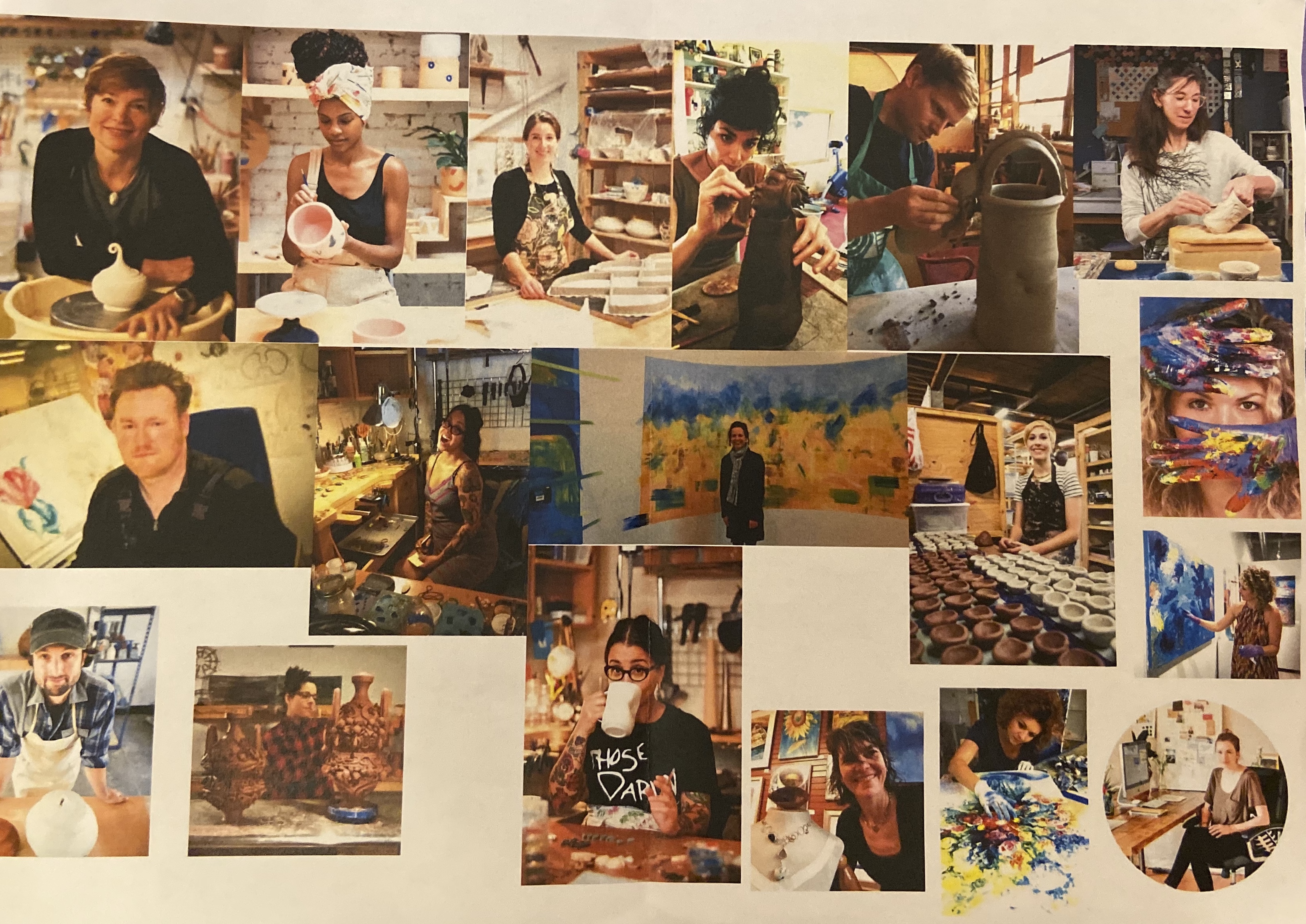
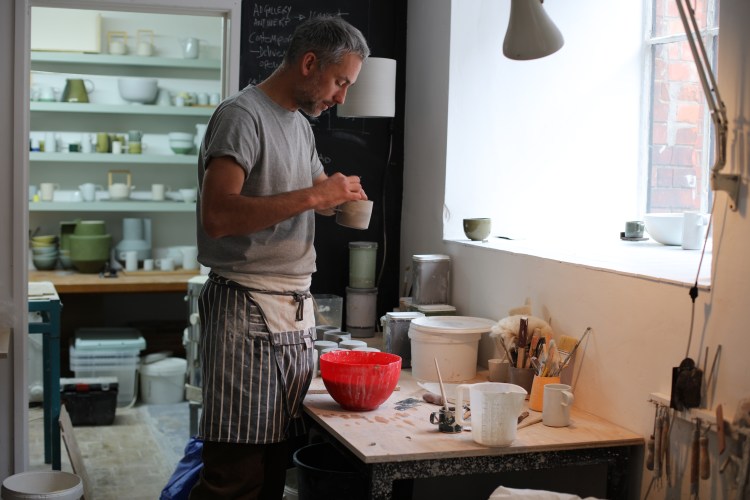
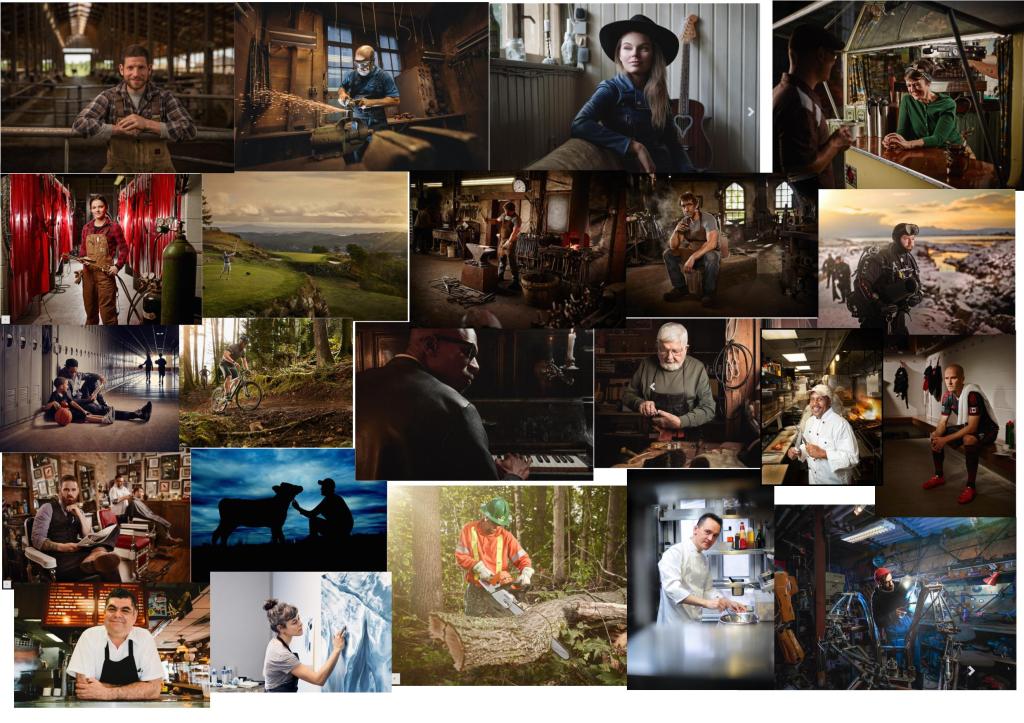
Environmental portrait photography is making a illustration of a person in their environment. It’s a portrait in which the person is connected to the location they are in. Good environmental portrait will tell a strong story of their subject. The natural surrounding will give the viewer insight to who the person is, what they do and where they are. Locations that help to tell a person story could be : their home, their workplace, favourite coffee shop or bar, where they play sports etc. The location and the person should tie in together in a meaningful way. This will come from the setup, candid shot.
- RESEARCH THE PEOPLE AND LOCATION.
Knowing who you are photographing is a key, it will help you create more compelling portraits of them. So for example if you know something about the person’s life story – it will add meaning to the portraits. Finding out their location and what’s significant about it. Sometimes this will be obvious but other times it won’t. So it will be important to ask because you might not see something that could be vital in telling your subject’s story. For environmental portraiture works when we can relate the subject to their surroundings.
2. TELL THEIR STORY – ANSWER PEOPLE’S QUESTIONS WITH YOUR PHOTOS
So you want to answer questions viewers of the photo may have – Who the person is, what do they do, where do they live? When setting up to make an environmental portrait look around. Look at the background, check for element that will support your subject’s story and answer those questions about them. This can be challenging but doing you best to build up an informative illustration of subject.
3. PUT YOURSELF IN THEIR WORLD
Sit where they are sitting, stand where they are standing. Try to see the world from their perspective. Be the environmental portrait photographer that looks beyond the composition. Looking at the setting they way they see it may give you some more clues on who they are and how best to photograph them. So don’t be afraid and direct the subject. Most of the time we are familiar with the surrounding so we then take things for granted. The subject may be telling you all the details so this will not enable you to take their portraits as best as you can. So by putting yourself in their shoes – you are trying to see their world to how they see it. This will let you to start to take better environmental portraits.
4. ENGAGE WITH YOUR SUBJECT
Talk to your subject. Connecting with the person you are making a portrait of will help you as you’ll create more dynamic illustration of them. When starting off and taking some photos, show them on the back of the camera as people love seeing their pictures so this will lead to a conversation and some more photographs. Since you have engaged with the subject and they seen some results of how they look – the dynamic has changed. Continuing to make their portraits you are able to make a very different series of the environmental photographs.
5. BE FRIENDLY AND RELAXED
So don’t focus on yourself as your subject will reflect you like a mirror. Meaning if you are nervous this will show on your subject, if you are uncomfortable they will be uncomfortable. So the more you relax and enjoy the process the more likely it is your subject will relax too. So remember to create a positive vibe – smile and chat to stimulate the mood.
6.HAVE YOUR CAMERA SETTINGS READY
Prepare your camera’s settings before you engage with your subject. As thinking about what exposure settings will distract you once you approach your subject. Stop and think about it, have camera ready and have the right lens on. Don’t use a super wide lens, unless you want to distort your subject. A mid-range lens, between a 35mm and 70mm is a good choice. Its good to be at a comfortable distance when making environmental portraits. Being too far back with long lens – makes it more difficult to connect with the subject. Depending on the style of portrait you want, holding the subject attention may not be important.
7. FILL THE FRAME
Filling the frame with what is relevant to the phoot is far more important that trying to follow a bunch of rules. You can attempt to enhance your compositions with leading lines. Lovely framing or making sure your horizon is straight are also powerful. None of these method are significant if your frame is lacking essential element. As you need to concentrate on the story or if there are distractions in it. Photography it a certain way, then try alternatives, You want to make sure that what is in your frame supports the story you are telling. This is the difference between a simple portrait and environmental portraiture. So look at everything you can see in the background. Ask yourself if it is relevant and related to the person you are making a portrait of – if it’s not then do something about it. There are a various techniques to make sure your background helps your picture – move your point of view, have your subject move or move the distracting element from the background.
8.TRY A DEEP DEPTH OF FIELD
A deep depth of field – where a lot of the image is in focus is normal with environmental portraits. As it is necessary to show what is surrounding your subject. Having a narrow aperture setting, means a considerable amount of your composition will show the detail. This can be problematic and with so much in sharp focus the main subject may become lost or blend in too much with the background. Careful placement of your subject in the frame makes for strong environmental portraiture. Naturally focus on the eyes of the subject, controlling the aperture and relative distances gives control of how sharp or how blurred the background is. It is important to find a balance of how much is in focus. Everything does not need to be sharp in an environmental portrait for it to be an effective part of the composition.
9. USE PROPS (IF THEY HELP TO TELL THE STORY)
Sometimes you may have the opportunity to control what is in your portrait. Look around for something the person can hold or otherwise interact with that is meaningful to their story. If you’re working with a dull background, introducing a prop can make a big difference. Props are a great way to add more culture, colour, or texture into am environmental portraiture.
10. POST-PROCESS TO ENHANCE
You will not have any control over your subject and background. At times like this keep in mind how you might improve your environmental portrait during the post- processing stage. Removing distracting objects by cloning them out will often make the portrait stronger. If there is something behind you subject that you cannot move, consider removing it in Photoshop. Creating a vignette is also a popular method to help bring more attention to the subject. This involves darkening the edges of the frame so the viewer’s eye moves to your subject.
Be careful not to overdo this technique as you will not want to loose detail relevant to the story you are telling.
Generally, you don’t want to have the background complement your main subject. Creating a balance in your composition where the main feature of your environmental portrait is the subject is what you want to aim for.
The subject is the most important in environmental portraits. Concentrating on the story and your subject, not too much on your camera equipment, will help you produce more dynamic photographs.







 Magda's Blog